★UAE Travel Ban Signals Regional Instability — Bitcoin's Safe-Haven Narrative Strengthens
"Escalating geopolitical tensions in the Middle East increase global risk aversion, potentially driving institutional and retail capital towards perceived safe havens. Bitcoin often benefits from such instability, acting as a non-sovereign hedge against traditional market volatility and currency devaluation."
The Big Coin Report Take
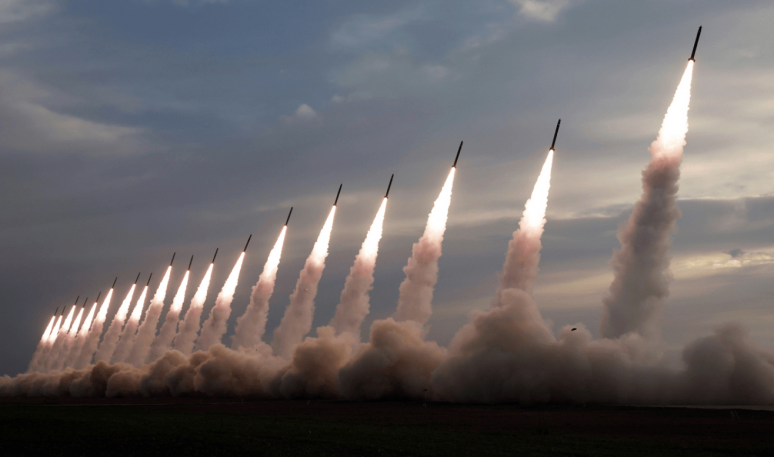
The UAE has banned travel to Iran, Lebanon, and Iraq, signaling a significant escalation in regional geopolitical tensions. This move underscores growing instability in the Middle East, which historically correlates with increased demand for safe-haven assets like Bitcoin. While not directly crypto-related, heightened geopolitical risk can drive capital flows into decentralized, borderless assets, impacting Bitcoin's price trajectory. Investors should monitor further regional developments and their potential to fuel safe-haven demand for crypto. The key takeaway is that escalating global instability often benefits Bitcoin as a perceived hedge.
The Big Picture
This story highlights how global geopolitical instability directly impacts crypto market sentiment and capital flows. Bitcoin's role as a non-sovereign, borderless asset strengthens during periods of heightened risk, reinforcing its safe-haven narrative. This dynamic suggests continued upside potential for Bitcoin amidst global uncertainty.
Related Guides
Never miss a story
More from this section
 Lummis Pushes CLARITY Act: Regulatory Certainty Could Ignite Bitcoin's Next LegCrypto Briefing35m ago
 China Defies US Sanctions: Geopolitical Tensions Fuel Bitcoin's Safe-Haven NarrativeCrypto Briefing1h ago
 China Defies US Sanctions: Geopolitical Fragmentation Boosts Bitcoin's NeutralityCrypto Briefing1h ago